
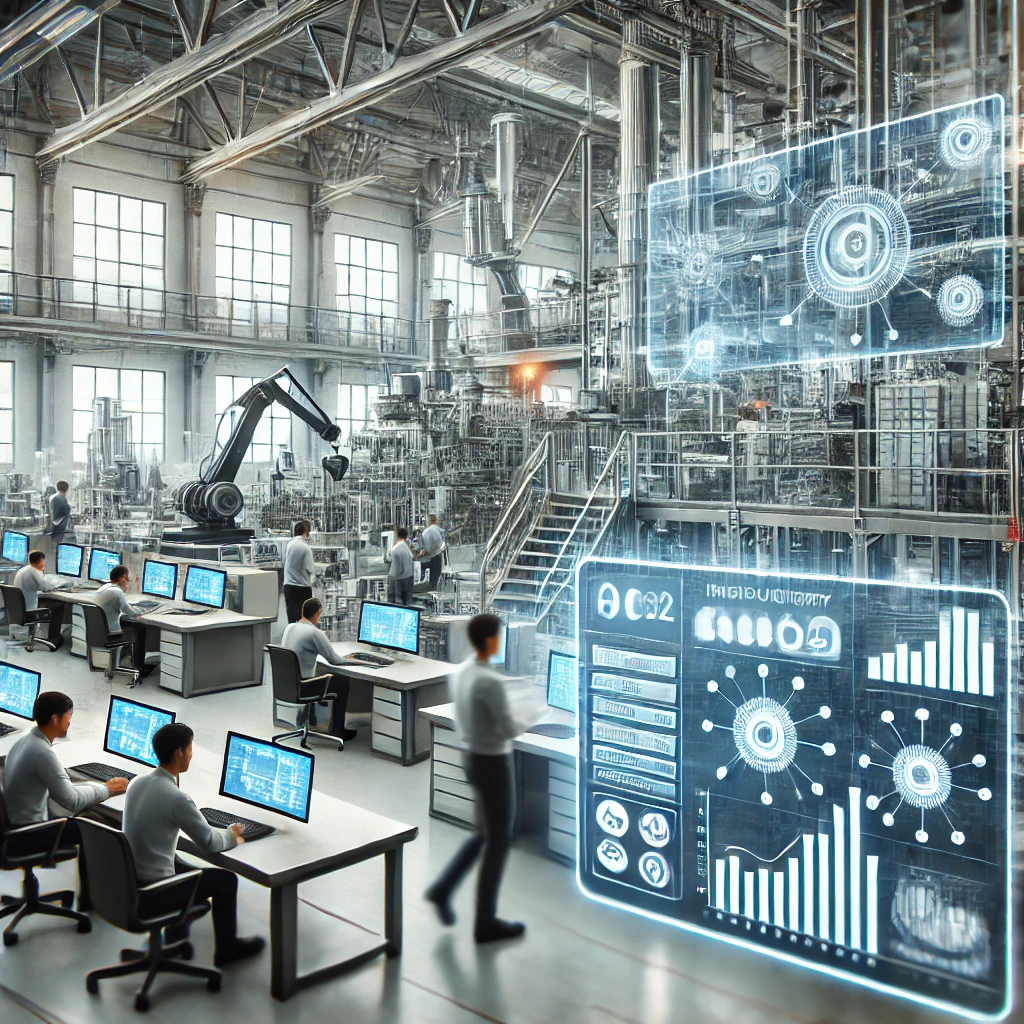
The manufacturing industry is rapidly evolving, with the demand for efficiency, accuracy, and speed at an all-time high. To meet these challenges, businesses are increasingly turning to Manufacturing Industry Software to streamline their operations, improve productivity, and reduce costs. This powerful software provides manufacturers with the tools to automate processes, manage resources, and gain real-time insights into every aspect of their operations. In this article, we’ll explore how Manufacturing Industry Software works, its essential features, and why it’s a critical tool for manufacturers aiming to stay competitive in a dynamic marketplace. What is Manufacturing Industry Software? Manufacturing Industry Software is a comprehensive solution designed to integrate all key aspects of a manufacturing business into a single platform. It enables manufacturers to manage production planning, inventory, labor, supply chains, and costs efficiently. This software provides real-time data and analytics, empowering manufacturers to make smarter decisions and optimize their operations. With Manufacturing Industry Software, manufacturers can: In essence, Manufacturing Industry Software allows manufacturers to bring together all their operations under one roof, offering greater control, visibility, and efficiency. Why Manufacturers Need Industry-Specific Software The manufacturing industry faces unique challenges, such as complex production workflows, multiple suppliers, and a need for tight cost control. General business software often falls short in addressing these needs. Here’s why Manufacturing Industry Software is essential for modern manufacturers: 1. Process Automation Manual processes are prone to errors and inefficiencies. By automating repetitive tasks, Manufacturing Industry Software allows manufacturers to save time and reduce costly mistakes, resulting in more consistent production outputs. 2. Real-Time Visibility Manufacturers need access to real-time data to stay agile and make quick decisions. Manufacturing Industry Software provides live updates on production status, inventory levels, and machine performance, ensuring that managers are always in control. 3. Optimized Resource Allocation Managing resources effectively is crucial to keeping production on schedule and within budget. This software enables manufacturers to allocate labor, materials, and machinery optimally, reducing waste and improving efficiency. 4. Better Supply Chain Management Manufacturers rely heavily on their supply chains. With Manufacturing Industry Software, businesses can monitor supplier performance, track shipments, and ensure timely deliveries, preventing disruptions and bottlenecks in production. At Syncratech, we offer customized Manufacturing Industry Software designed to meet the unique needs of your business. Visit our homepage to learn how our solutions can help your factory thrive. Key Features of Manufacturing Industry Software To truly optimize your manufacturing operations, it’s essential to choose software that offers the right features. Here are some of the most valuable features to look for in Manufacturing Industry Software: 1. Production Planning and Scheduling This feature allows manufacturers to schedule production tasks efficiently, ensuring that resources are allocated properly and jobs are completed on time. It automates the production workflow, minimizing delays and boosting productivity. 2. Inventory Management Real-time inventory tracking ensures that manufacturers have the materials they need when they need them. The software automates reordering processes, prevents stockouts, and ensures that production runs smoothly without interruptions. 3. Supply Chain Management Effective supply chain management is critical to maintaining production continuity. Manufacturing Industry Software integrates supply chain data, providing full visibility into supplier performance, delivery timelines, and procurement costs. 4. Cost Management Manufacturers often operate on thin margins. Cost management tools in the software track expenses related to materials, labor, and overhead, helping manufacturers control costs and improve profitability. 5. Quality Control and Compliance Ensuring product quality is vital in the manufacturing industry. The software provides tools to implement quality control checkpoints throughout production, helping manufacturers meet compliance standards and deliver high-quality products. How Syncratech’s Manufacturing Industry Software Can Benefit Your Business At Syncratech, we understand the complexities of running a manufacturing business. That’s why our Manufacturing Industry Software is tailored to meet the specific needs of manufacturers, helping them streamline operations, improve productivity, and reduce costs. Our software provides: With our customized solutions, manufacturers can transform the way they operate, ensuring that they stay competitive in an increasingly fast-paced industry. Visit our homepage to learn more. Benefits of Manufacturing Industry Software Implementing Manufacturing Industry Software can significantly enhance your factory’s efficiency, reduce costs, and improve overall productivity. Here are some of the key benefits of adopting this software: 1. Increased Productivity By automating tasks like production scheduling, inventory tracking, and quality control, manufacturers can complete tasks faster, with fewer errors, leading to higher overall productivity. 2. Cost Savings With better resource management, automated workflows, and real-time data, manufacturers can identify cost-saving opportunities across their operations. This leads to more efficient use of materials, labor, and machinery, reducing operational costs. 3. Improved Collaboration Manufacturing Industry Software integrates data from all departments, ensuring that everyone is working from the same information. This improves communication and collaboration between teams, reducing the risk of miscommunication and errors. 4. Scalability As your manufacturing business grows, so does the complexity of your operations. Manufacturing Industry Software is designed to scale with your business, allowing you to manage larger production volumes and more complex workflows with ease. FAQs About Manufacturing Industry Software 1. How does Manufacturing Industry Software improve efficiency?Manufacturing Industry Software automates production tasks, manages inventory, and tracks costs, streamlining workflows and reducing delays. This results in more efficient use of resources and faster production times. 2. Can Manufacturing Industry Software help with compliance?Yes, the software includes quality control and compliance features, ensuring that products meet industry standards and regulations. This helps manufacturers avoid costly fines and recalls. 3. Is Manufacturing Industry Software suitable for small manufacturers?Absolutely. Manufacturing Industry Software is scalable, meaning it can be tailored to meet the needs of both small and large manufacturers. Even smaller businesses can benefit from improved efficiency and cost control. 4. What is the role of real-time data in Manufacturing Industry Software?Real-time data is essential for making informed decisions quickly. The software provides live updates on production, inventory, and machine performance, allowing manufacturers to adjust their operations as needed to avoid disruptions. Final Thoughts In an industry where efficiency, cost control, and quality are paramount, Manufacturing Industry Software is a
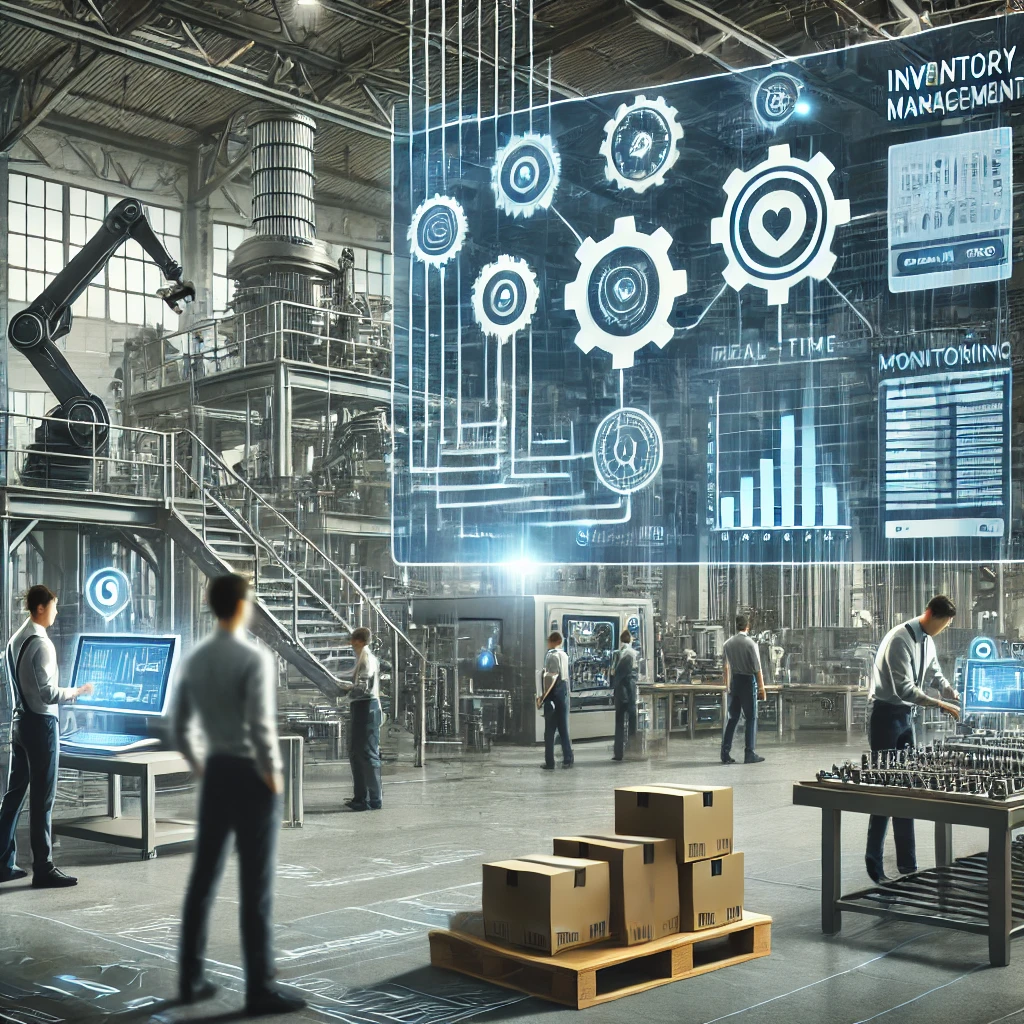
Factory Management Software: Streamline Your Factory Operations with Technology
Managing a factory involves juggling numerous tasks—production schedules, inventory, workforce allocation, and machinery maintenance, to name a few. As factories grow and processes become more complex, manual systems simply can’t keep up. This is where Factory Management Software steps in, providing manufacturers with the tools they need to optimize workflows, monitor operations in real time, and improve overall efficiency. In this article, we’ll dive into how Factory Management Software works, its key features, and why it’s essential for factories looking to enhance productivity and reduce costs. What is Factory Management Software? Factory Management Software is a comprehensive solution designed to integrate all critical factory processes into one centralized system. From production scheduling and inventory management to workforce coordination and machine monitoring, this software ensures that every aspect of factory operations runs smoothly. By using Factory Management Software, manufacturers can: This software not only improves day-to-day operations but also provides valuable insights into factory performance, enabling manufacturers to make informed decisions and improve their bottom line. Why Factories Need Management Software Factories are complex systems with multiple moving parts. Without a streamlined way to manage operations, inefficiencies can arise, leading to production delays, wasted resources, and increased costs. Factory Management Software is essential for manufacturers aiming to optimize operations and remain competitive. Here’s why: 1. Enhanced Operational Efficiency By automating routine tasks like production scheduling, inventory tracking, and machine monitoring, Factory Management Software frees up valuable time for managers and workers. This increased efficiency translates into faster production times, reduced downtime, and improved resource utilization. 2. Real-Time Monitoring and Control With real-time data at their fingertips, factory managers can make quick adjustments to schedules, labor allocation, or machinery use as needed. This ability to respond swiftly to changing conditions ensures that production stays on track and meets deadlines. 3. Improved Cost Management Factory Management Software tracks expenses related to materials, labor, and machinery usage, providing a clear picture of where costs can be reduced. By optimizing resource allocation and reducing waste, factories can significantly improve profitability. 4. Predictive Maintenance One of the key features of Factory Management Software is the ability to monitor machinery in real-time and predict when maintenance is required. This helps prevent unexpected breakdowns and reduces costly downtime. At Syncratech, we offer tailored Factory Management Software solutions designed to help factories streamline their operations, improve productivity, and reduce costs. Learn more about how we can support your business by visiting our homepage. Key Features of Factory Management Software When selecting Factory Management Software, it’s important to consider the key features that will drive the most value for your factory. Here are some of the must-have features: 1. Production Scheduling and Planning The software allows factories to schedule production runs efficiently by automating the assignment of tasks, balancing workloads, and ensuring that resources like materials and labor are used optimally. 2. Inventory Management With real-time tracking, the system monitors stock levels and automatically triggers reordering when inventory reaches critical levels. This helps avoid stockouts or excess inventory, improving the overall supply chain. 3. Workforce Management The software helps allocate labor resources based on production needs, ensuring that the right number of workers are assigned to the right tasks. It can also track employee hours and productivity, making workforce management more efficient. 4. Machinery Monitoring and Maintenance Factory machinery is often the most significant capital investment, and keeping it running smoothly is critical to maintaining production efficiency. The software monitors machine performance, alerts managers to potential issues, and schedules preventive maintenance to reduce downtime. 5. Data Analytics and Reporting Comprehensive reporting tools allow factory managers to generate detailed reports on production efficiency, resource utilization, and costs. This data-driven approach enables factories to identify inefficiencies and make strategic improvements. How Syncratech’s Factory Management Software Can Benefit Your Business At Syncratech, we understand the challenges that factory managers face. Our Factory Management Software is designed to simplify complex operations and provide real-time insights into every aspect of your factory. Here’s how our solution can help your business: Our software is customizable to meet the unique needs of your factory, ensuring that you get the most out of your investment. Visit our homepage to learn more. Benefits of Factory Management Software Adopting Factory Management Software can transform your factory’s operations and improve overall performance. Here are some key benefits of implementing this solution: 1. Increased Productivity By automating manual tasks and improving workflow coordination, factories can significantly boost productivity. Workers can focus on higher-value tasks, while the software handles routine processes like scheduling and inventory tracking. 2. Reduced Downtime With real-time monitoring and predictive maintenance, factories can reduce the risk of machinery breakdowns and minimize downtime. This leads to more consistent production output and fewer delays. 3. Lower Operating Costs By optimizing resource allocation, reducing waste, and improving maintenance schedules, Factory Management Software helps factories lower their overall operating costs. This improves profitability and allows businesses to reinvest in growth. 4. Improved Compliance and Quality Control The software tracks production processes and ensures that quality control measures are followed consistently. This helps maintain product quality, reduces defects, and ensures compliance with industry regulations. FAQs About Factory Management Software 1. How does Factory Management Software improve production efficiency?Factory Management Software automates production scheduling, resource allocation, and machine monitoring, allowing factories to streamline workflows and reduce delays. This leads to faster production times and improved operational efficiency. 2. Can Factory Management Software help with inventory management?Yes, the software tracks inventory levels in real-time and automates reordering processes, ensuring that factories have the right materials on hand without overstocking. This helps avoid production disruptions and reduces excess inventory. 3. Is Factory Management Software scalable?Absolutely. Factory Management Software is designed to scale with your business. Whether you manage a small factory or a large-scale operation, the software can adapt to your needs and grow alongside your business. 4. Can Factory Management Software integrate with existing systems?Yes, most Factory Management Software solutions are designed to integrate with other systems, such as ERP or supply chain management software,
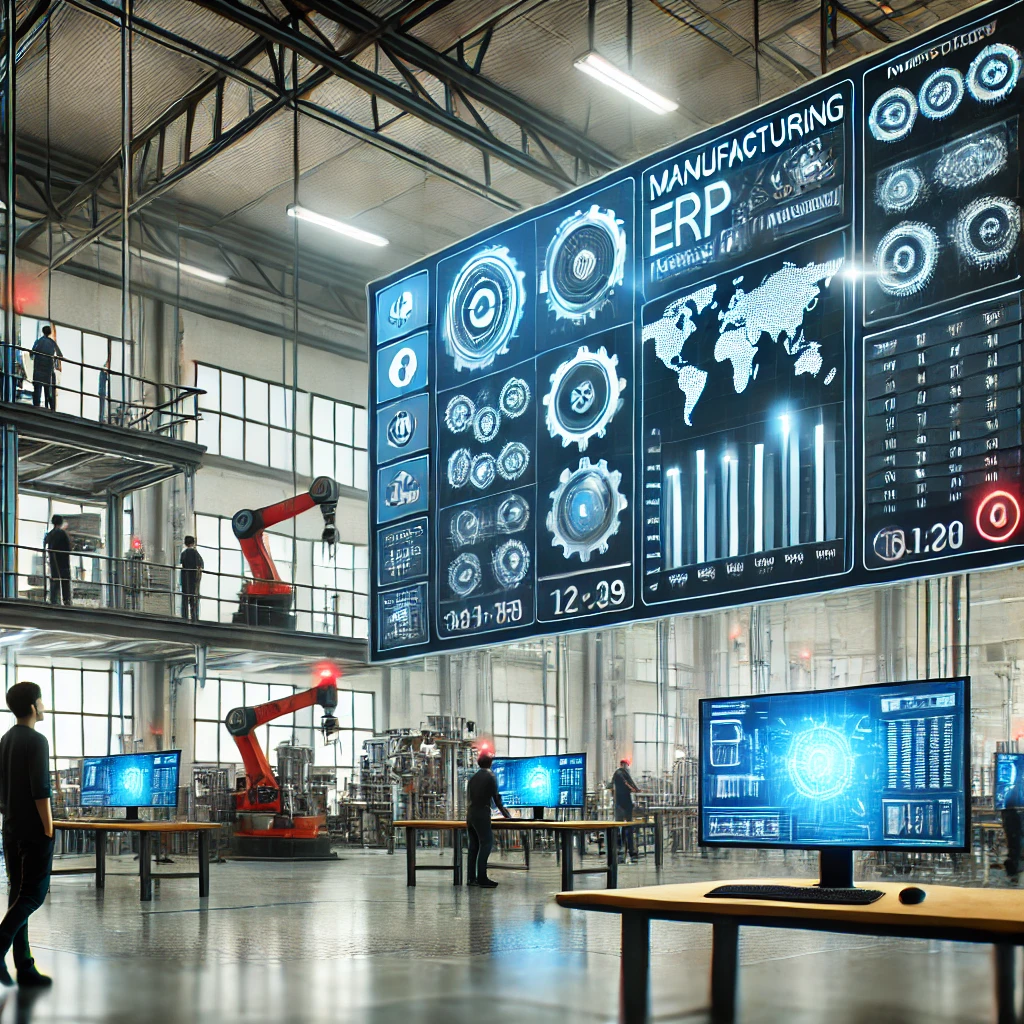
Manufacturing ERP Solutions: The Foundation for Streamlined Operations
In the world of manufacturing, complexity is a constant. From managing inventory, scheduling production, and coordinating suppliers to tracking costs and ensuring quality control, manufacturers need a robust system that brings all these processes together. This is where Manufacturing ERP Solutions come into play. These systems offer manufacturers the tools they need to streamline operations, improve efficiency, and remain competitive in today’s market. In this article, we’ll explore how Manufacturing ERP Solutions work, their key features, and why they’re essential for manufacturers looking to grow and thrive. What Are Manufacturing ERP Solutions? Manufacturing ERP Solutions are enterprise resource planning systems specifically designed to meet the unique needs of the manufacturing industry. They integrate all critical business processes—from production and inventory management to finance and human resources—into one centralized platform. With a Manufacturing ERP system, manufacturers can: In short, ERP systems provide manufacturers with the tools they need to run more efficiently, make smarter decisions, and stay competitive. Why Manufacturers Need ERP Solutions In today’s fast-paced manufacturing environment, relying on outdated, manual processes is no longer enough. Manufacturing ERP Solutions offer businesses a way to keep up with growing demands, streamline operations, and reduce inefficiencies. Here’s why ERP systems are essential for manufacturers: 1. Improved Efficiency By automating manual processes and bringing all data into one place, ERP solutions enable manufacturers to streamline their workflows. This leads to faster production times, reduced delays, and improved overall efficiency. 2. Better Decision-Making Access to real-time data allows manufacturers to make informed decisions quickly. Manufacturing ERP systems provide insights into every aspect of the business—from production schedules to financial data—enabling manufacturers to identify areas for improvement and make strategic adjustments. 3. Enhanced Cost Management With real-time tracking of materials, labor, and overhead costs, manufacturers can monitor expenses closely and reduce waste. ERP systems provide accurate financial reports, helping manufacturers control costs and improve profitability. 4. Streamlined Supply Chain Managing suppliers, procurement, and inventory across multiple locations can be complex. Manufacturing ERP Solutions provide real-time visibility into the supply chain, helping manufacturers improve coordination, reduce lead times, and avoid stockouts or overstocking. At Syncratech, we specialize in delivering customized Manufacturing ERP Solutions tailored to the specific needs of your business. Learn more about how our solutions can streamline your manufacturing processes by visiting our homepage. Key Features of Manufacturing ERP Solutions When looking for the right ERP solution, manufacturers should consider key features that address their specific needs. Here are some of the most important features to look for in a Manufacturing ERP system: 1. Production Planning and Scheduling ERP systems provide automated production scheduling tools that ensure jobs are completed on time and resources are used efficiently. The system takes into account materials, labor, and machinery, balancing workloads and minimizing delays. 2. Inventory Management Real-time inventory tracking allows manufacturers to monitor stock levels and automate reordering processes. With a Manufacturing ERP Solution, businesses can avoid stockouts, overstocking, and ensure that materials are always available when needed. 3. Cost Tracking Accurate cost tracking is essential for maintaining profitability. ERP systems track production costs in real-time, providing insights into materials, labor, and overhead expenses. This helps manufacturers identify cost-saving opportunities and improve their bottom line. 4. Supply Chain Management A good ERP system integrates seamlessly with supply chain processes, giving manufacturers visibility into supplier performance, procurement, and logistics. This helps businesses optimize their supply chains, reduce lead times, and improve supplier relationships. 5. Quality Control Maintaining high product quality is a top priority for manufacturers. Manufacturing ERP Solutions include quality control tools that monitor production processes, track defects, and ensure compliance with industry standards. How Syncratech’s Manufacturing ERP Solutions Can Help At Syncratech, we understand the challenges manufacturers face when it comes to managing complex operations. Our Manufacturing ERP Solutions are designed to provide manufacturers with the tools they need to optimize every aspect of their business—from production scheduling and inventory management to cost tracking and quality control. Here’s how our solutions can help: Our customized ERP solutions are tailored to meet your business’s unique needs, helping you stay competitive and grow your operations. To learn more, visit our homepage today. Benefits of Manufacturing ERP Solutions Adopting an ERP system can revolutionize the way your business operates. Here are some key benefits of implementing Manufacturing ERP Solutions: 1. Increased Productivity By automating manual processes and providing real-time insights, ERP systems allow manufacturers to streamline their workflows and focus on higher-value tasks. This leads to increased productivity and faster production times. 2. Reduced Operational Costs With improved visibility into costs and resource utilization, manufacturers can reduce waste, optimize production, and cut unnecessary expenses. ERP systems help businesses manage their budgets more effectively and increase profitability. 3. Better Collaboration ERP systems integrate data across departments, ensuring that everyone in the organization is working with the same information. This improves communication, reduces silos, and leads to better collaboration between teams. 4. Scalability As your business grows, your ERP solution grows with you. ERP systems are scalable, making it easier to manage increased production demands, expand into new markets, and adapt to changes in the industry. FAQs About Manufacturing ERP Solutions 1. How do Manufacturing ERP Solutions improve operational efficiency?ERP systems automate many manual processes, such as production scheduling, inventory tracking, and cost management. This reduces delays, minimizes errors, and ensures that resources are used more efficiently. 2. Can Manufacturing ERP Solutions integrate with existing systems?Yes, most ERP systems can be integrated with other business tools and software, allowing manufacturers to centralize data and streamline workflows across departments. 3. What types of businesses benefit from Manufacturing ERP Solutions?Manufacturing ERP Solutions are ideal for businesses of all sizes that manage complex production processes, large inventories, or multiple suppliers. Industries such as automotive, electronics, and food processing can see significant benefits from implementing an ERP system. 4. How do ERP systems help with quality control?ERP systems track every stage of production, ensuring that quality control checks are carried out consistently. This helps manufacturers maintain high product standards and reduces the risk
Manufacturing Workflow Automation: Boosting Efficiency with Seamless Processes
In the highly competitive world of manufacturing, efficiency is key to success. Delays, errors, and inefficiencies can result in costly setbacks. This is where Manufacturing Workflow Automation steps in. By automating repetitive tasks, streamlining processes, and improving communication across departments, manufacturers can boost productivity, reduce human error, and increase profitability. In this article, we’ll explore what Manufacturing Workflow Automation means, how it works, and why it’s a game-changer for manufacturers looking to stay ahead in the industry. What is Manufacturing Workflow Automation? Manufacturing Workflow Automation is the use of software and technology to automate various processes and tasks involved in production. It eliminates the need for manual intervention in repetitive or routine tasks, enabling manufacturers to streamline their workflows, improve accuracy, and increase overall efficiency. Automation can be applied to a wide range of manufacturing processes, including: By integrating automated workflows, manufacturers can ensure that every part of the production cycle runs smoothly, with minimal human intervention, while focusing their workforce on higher-value tasks. Why is Manufacturing Workflow Automation Important? Automation is not just a buzzword—it’s a necessity for manufacturers looking to improve efficiency, reduce costs, and maintain a competitive edge. Here’s why Manufacturing Workflow Automation is so crucial: 1. Increased Efficiency Automating repetitive tasks like data entry, inventory checks, or production scheduling frees up valuable time for employees to focus on more critical aspects of the business. This boosts overall efficiency and reduces the risk of delays. 2. Reduced Human Error Manual processes are often prone to errors, especially when it comes to repetitive tasks. By automating these processes, manufacturers can significantly reduce human error, ensuring more consistent and accurate results across the production line. 3. Improved Resource Allocation Automation ensures that resources, including labor, materials, and machinery, are used more effectively. By optimizing workflows, manufacturers can allocate resources more efficiently, reduce waste, and maximize output. 4. Real-Time Data and Insights Manufacturing Workflow Automation allows manufacturers to gather real-time data on production processes, machine performance, and inventory levels. This data provides valuable insights, enabling manufacturers to make informed decisions quickly. At Syncratech, we provide custom ERP solutions with advanced workflow automation features, designed to help manufacturers optimize their production processes and improve efficiency. Visit our homepage to learn more about how we can assist you. Key Features of Manufacturing Workflow Automation When looking to implement Manufacturing Workflow Automation, it’s essential to understand the features that will deliver the most value to your business: 1. Automated Task Scheduling With automated scheduling, manufacturers can plan production runs, allocate resources, and ensure that tasks are completed on time. The system automatically adjusts schedules based on real-time data, optimizing production workflows. 2. Inventory Automation From tracking stock levels to triggering automatic reorders, workflow automation can revolutionize inventory management. Manufacturers can avoid stockouts and overstocking by automating the entire inventory tracking process. 3. Real-Time Machine Monitoring Automation software can monitor machines in real-time, providing updates on performance, potential issues, and maintenance needs. This reduces downtime by alerting managers before a machine fails. 4. Quality Control Automation By integrating quality control checkpoints throughout the production process, manufacturers can ensure that products meet quality standards before they move to the next stage of production, reducing the risk of defective products reaching the market. 5. Order Processing Automation From receiving orders to shipping finished products, workflow automation ensures that the entire order management process is streamlined, reducing delays and improving customer satisfaction. How Syncratech’s Manufacturing Workflow Automation Can Transform Your Business At Syncratech, we understand that every manufacturing business has unique challenges. That’s why our ERP solutions are built to offer flexible and customizable workflow automation tools that streamline your production processes, improve efficiency, and reduce costs. With our solution, you can: Our tailored solutions ensure that your business is running at its highest potential. Visit our homepage to learn more. Benefits of Manufacturing Workflow Automation Implementing Manufacturing Workflow Automation offers a host of benefits that can have a significant impact on your business. Here are just a few of the advantages: 1. Faster Production Times By automating tasks and streamlining workflows, manufacturers can significantly reduce production times, enabling faster turnaround for orders and more efficient use of resources. 2. Cost Savings Automation reduces labor costs by eliminating manual tasks and improving resource utilization. Manufacturers can also reduce errors and waste, leading to greater cost savings across the board. 3. Scalability As your business grows, workflow automation makes it easier to scale operations without a corresponding increase in labor or resources. Automated systems can handle increased demand without the need for additional staff. 4. Enhanced Flexibility In today’s fast-paced market, the ability to adapt quickly is critical. Manufacturing Workflow Automation allows manufacturers to adjust workflows, scale production, or shift resources based on real-time data, ensuring that operations remain flexible and responsive to changing demands. FAQs About Manufacturing Workflow Automation 1. What processes can be automated in manufacturing?Many processes can be automated, including production scheduling, inventory management, quality control, and order processing. Automation can also be applied to machine monitoring and maintenance, reducing downtime and improving efficiency. 2. How does Manufacturing Workflow Automation improve efficiency?By automating repetitive and time-consuming tasks, manufacturers can streamline their workflows, reduce errors, and ensure that resources are used more effectively. This leads to faster production times and lower operational costs. 3. Is Manufacturing Workflow Automation suitable for small manufacturers?Yes, small manufacturers can benefit greatly from workflow automation. Even small-scale automation can lead to significant improvements in efficiency, cost savings, and production times, helping smaller businesses stay competitive. 4. How can ERP software help with Manufacturing Workflow Automation?ERP software integrates all aspects of a business, from production to inventory management, into one cohesive system. Workflow automation features within ERP systems ensure that these processes work together seamlessly, improving overall efficiency and reducing manual tasks. Final Thoughts In today’s rapidly evolving manufacturing landscape, businesses need to embrace technology to stay competitive. Manufacturing Workflow Automation is one of the most effective ways to streamline operations, reduce costs, and increase productivity. At Syncratech, we offer custom
Supply Chain Management Software: A Must-Have for Streamlined Operations
In today’s fast-paced world of manufacturing and distribution, managing a supply chain efficiently is more crucial than ever. From sourcing raw materials to delivering finished goods, every step of the supply chain impacts your business’s bottom line. Supply Chain Management Software (SCM software) provides manufacturers with the tools they need to gain control, optimize processes, and ensure timely deliveries, all while reducing costs. In this article, we’ll explore how Supply Chain Management Software works, its key features, and why it’s indispensable for businesses looking to thrive in today’s competitive market. What is Supply Chain Management Software? Supply Chain Management Software is a digital solution that helps businesses manage and oversee every aspect of their supply chain, from procurement to production, and from inventory management to order fulfillment. The software integrates real-time data, offering visibility into every stage of the supply chain, allowing manufacturers to plan better, reduce costs, and respond swiftly to changes in demand or supply. With SCM software, manufacturers can: Why Your Business Needs Supply Chain Management Software In the modern world of manufacturing and logistics, inefficiencies in the supply chain can lead to delays, lost revenue, and even damage to customer relationships. Here’s why Supply Chain Management Software is essential for businesses that want to streamline operations and remain competitive: 1. Improved Visibility Across the Entire Supply Chain Real-time visibility into inventory levels, supplier performance, and logistics is critical to ensuring that production runs smoothly. SCM software provides a centralized platform where businesses can monitor every aspect of their supply chain, allowing them to react quickly to any disruptions or bottlenecks. 2. Cost Reduction By optimizing procurement, production, and distribution, Supply Chain Management Software helps businesses reduce unnecessary expenses. From minimizing excess inventory to negotiating better supplier contracts, SCM software provides valuable insights that can lead to significant cost savings. 3. Enhanced Supplier Relationships Managing multiple suppliers can be challenging, but SCM software simplifies the process. By providing real-time data on supplier performance and order fulfillment, businesses can identify the best-performing suppliers and negotiate better terms, leading to more reliable relationships. 4. Increased Efficiency With automated processes, SCM software streamlines complex tasks such as procurement, inventory tracking, and order management. This automation reduces the risk of human error, speeds up operations, and increases overall efficiency. At Syncratech, our custom ERP solutions include comprehensive Supply Chain Management Software designed to help manufacturers optimize their supply chain processes and stay competitive. Visit our homepage to learn more about how we can support your business. Key Features of Supply Chain Management Software When choosing Supply Chain Management Software, it’s important to look for features that offer full visibility and control over your supply chain. Here are some of the essential features you should expect: 1. Inventory Management Real-time inventory tracking ensures that you always have the right amount of stock on hand, reducing the risk of stockouts or overstocking. SCM software integrates with your warehouse systems to provide accurate inventory levels and automate reordering when necessary. 2. Procurement and Supplier Management Managing suppliers efficiently is crucial to keeping your supply chain running smoothly. SCM software tracks supplier performance, pricing, and delivery schedules, helping you build better relationships and secure more favorable contracts. 3. Logistics and Distribution From managing transportation routes to ensuring timely deliveries, SCM software streamlines logistics and distribution processes. With real-time tracking of shipments, businesses can reduce delays and provide accurate delivery estimates to customers. 4. Demand Forecasting With demand forecasting, businesses can predict future customer demand based on historical data and market trends. This allows for better production planning and inventory management, reducing waste and ensuring that you can meet customer demands. 5. Order Management Managing customer orders from start to finish is a key component of SCM software. From order processing to shipment tracking, businesses can ensure that every order is fulfilled accurately and on time, leading to improved customer satisfaction. How Syncratech’s Supply Chain Management Software Can Benefit Your Business At Syncratech, we understand the complexities involved in managing a supply chain. Our Supply Chain Management Software is designed to help manufacturers and distributors gain visibility into their entire supply chain, reduce costs, and improve efficiency. Our software offers: If you’re looking to streamline your supply chain and take control of your operations, visit our homepage to see how we can help. Benefits of Supply Chain Management Software Implementing Supply Chain Management Software offers numerous benefits that can transform your business operations. Here are some of the key advantages: 1. Better Decision-Making With real-time data and analytics, manufacturers can make informed decisions about their supply chain, from adjusting procurement strategies to optimizing logistics. This leads to faster, smarter decision-making and improved operational outcomes. 2. Reduced Lead Times By automating order management and streamlining logistics, businesses can reduce lead times, ensuring that products are delivered to customers faster. This improves customer satisfaction and strengthens your competitive edge. 3. Greater Agility In today’s fast-changing markets, the ability to respond quickly to disruptions is vital. Supply Chain Management Software provides the agility needed to adjust to changes in demand, supplier availability, or logistics, ensuring minimal impact on production. 4. Improved Customer Satisfaction A well-managed supply chain leads to on-time deliveries, fewer errors, and higher product quality—all of which contribute to better customer satisfaction. With SCM software, businesses can meet customer expectations consistently. FAQs About Supply Chain Management Software 1. How does Supply Chain Management Software improve efficiency?SCM software automates many of the manual tasks involved in supply chain management, such as procurement, inventory tracking, and order processing. This reduces the risk of human error, speeds up operations, and ensures more efficient workflows. 2. Can SCM software help with demand forecasting?Yes, most SCM software solutions include demand forecasting tools that use historical data and market trends to predict future demand. This allows businesses to plan production and inventory levels more accurately. 3. What types of businesses benefit most from SCM software?Manufacturers, distributors, and retailers all benefit from SCM software. Any business that manages a complex supply chain, handles
Manufacturing Process Optimization: Unlocking Efficiency and Productivity
In today’s competitive manufacturing landscape, efficiency and productivity are more important than ever. With rising costs, increased demand, and tight deadlines, manufacturers need to streamline their processes to stay ahead. This is where Manufacturing Process Optimization comes into play. By optimizing workflows, improving resource allocation, and reducing waste, manufacturers can achieve higher productivity and lower costs. In this article, we’ll explore what Manufacturing Process Optimization means, the key strategies involved, and why it’s crucial for manufacturers who want to maximize their efficiency. What is Manufacturing Process Optimization? Manufacturing Process Optimization refers to the practice of improving production processes to enhance efficiency, reduce waste, and maximize output. This involves analyzing and refining every stage of the manufacturing workflow—from raw material procurement to final product delivery—so that resources are used efficiently, and productivity is maximized. Optimization efforts can include: By optimizing your manufacturing processes, you can not only reduce costs but also improve product quality and ensure faster delivery times. Why is Manufacturing Process Optimization Important? Manufacturers face numerous challenges, including rising costs, labor shortages, and fluctuating demand. Without a strategy in place to optimize production, inefficiencies can quickly add up, affecting profitability and customer satisfaction. Here’s why Manufacturing Process Optimization is essential: 1. Increased Efficiency By streamlining production processes, manufacturers can produce more in less time, increasing output without the need for additional resources. Optimization ensures that every machine, worker, and material is used as efficiently as possible, reducing idle time and delays. 2. Reduced Waste Waste can come in many forms—excess materials, wasted labor, or energy. By identifying and eliminating waste throughout the production process, manufacturers can significantly reduce costs and improve overall profitability. Lean manufacturing principles are often used in process optimization to minimize waste and maximize value. 3. Improved Product Quality When processes are optimized, there is less room for error. This leads to more consistent production and fewer defects, improving product quality and reducing the need for costly rework. 4. Faster Time-to-Market Streamlining your production process not only improves efficiency but also reduces production lead times. This allows manufacturers to get products to market faster, improving customer satisfaction and giving them a competitive edge. At Syncratech, our ERP solutions are designed to help manufacturers optimize their processes by providing real-time data, automation tools, and powerful analytics. Visit our homepage to learn how we can help you achieve Manufacturing Process Optimization. Key Strategies for Manufacturing Process Optimization Successful Manufacturing Process Optimization involves a combination of techniques and tools. Here are some of the key strategies manufacturers can use to optimize their production processes: 1. Lean Manufacturing Lean manufacturing is a systematic method for reducing waste without sacrificing productivity. By focusing on eliminating non-value-added activities, manufacturers can reduce costs and improve efficiency. 2. Automation Automating repetitive tasks is one of the most effective ways to optimize manufacturing processes. Whether it’s through robotic systems, automated scheduling, or AI-powered decision-making, automation can significantly reduce production times and errors. 3. Real-Time Monitoring With real-time data, manufacturers can monitor production performance as it happens. This allows for immediate adjustments when issues arise, ensuring that production stays on track and operates at maximum efficiency. 4. Production Scheduling Optimized production schedules help ensure that resources (labor, materials, and machinery) are used efficiently. ERP systems with advanced production scheduling features can help manufacturers balance workloads, reduce downtime, and improve overall productivity. 5. Continuous Improvement (Kaizen) Kaizen is the Japanese concept of continuous improvement, where small, incremental changes are made to improve processes over time. By fostering a culture of continuous improvement, manufacturers can achieve long-term success in optimizing their workflows. How Syncratech Can Help with Manufacturing Process Optimization At Syncratech, we understand the importance of optimizing manufacturing processes to reduce costs and boost productivity. Our ERP solutions provide the tools manufacturers need to streamline workflows, automate tasks, and monitor production in real-time. With our custom ERP systems, you can: Ready to take your manufacturing operations to the next level? Visit our homepage to learn more about how our ERP solutions can help you achieve Manufacturing Process Optimization. Benefits of Manufacturing Process Optimization Optimizing your manufacturing processes offers a wide range of benefits that can have a significant impact on your bottom line. Here are some of the key advantages: 1. Lower Production Costs By eliminating waste and improving efficiency, manufacturers can reduce their production costs significantly. Process optimization ensures that resources are used effectively, reducing unnecessary expenses. 2. Improved Product Quality Optimized processes lead to more consistent production and higher product quality. This reduces the need for rework and improves customer satisfaction. 3. Enhanced Flexibility Manufacturers that optimize their processes are better equipped to adapt to changes in demand, supply chain disruptions, or other unforeseen events. This flexibility allows businesses to remain competitive and agile in a rapidly changing market. 4. Sustainability Process optimization often leads to more sustainable manufacturing practices. By reducing waste, energy consumption, and emissions, manufacturers can lower their environmental impact while improving profitability. FAQs About Manufacturing Process Optimization 1. What tools are used for Manufacturing Process Optimization?Common tools include Lean manufacturing principles, automation technologies, and real-time monitoring systems. ERP software is also a powerful tool that integrates various optimization strategies into one cohesive system. 2. How does Manufacturing Process Optimization improve efficiency?By streamlining workflows, reducing waste, and automating repetitive tasks, manufacturers can produce more in less time, increasing overall efficiency. 3. Is Manufacturing Process Optimization suitable for small businesses?Yes, small businesses can benefit greatly from process optimization. Even small improvements in efficiency can lead to significant cost savings and improved profitability for smaller manufacturers. 4. Can ERP software help with Manufacturing Process Optimization?Absolutely. ERP software provides the data, automation, and analytics necessary to optimize every aspect of the manufacturing process, from production scheduling to resource allocation. Final Thoughts In the fast-paced world of manufacturing, efficiency is key to staying competitive. Manufacturing Process Optimization is the strategy that helps manufacturers streamline their operations, reduce costs, and improve productivity, ensuring long-term success. At Syncratech, we offer tailored ERP solutions designed to help manufacturers
Manufacturing Cost Management Software: Reducing Costs and Boosting Profitability
In the competitive world of manufacturing, keeping costs under control is essential for long-term success. Without an effective system in place, managing production expenses, labor costs, and overhead can become overwhelming, leading to reduced profit margins. That’s where Manufacturing Cost Management Software comes in—helping manufacturers track, analyze, and optimize their costs for better efficiency and profitability. In this article, we’ll explore how Manufacturing Cost Management Software works, its key features, and why it’s a game-changer for manufacturers looking to reduce waste and improve their bottom line. What is Manufacturing Cost Management Software? Manufacturing Cost Management Software is a specialized solution designed to help manufacturers manage and control all aspects of production costs. By tracking and analyzing data related to materials, labor, overhead, and production, this software gives manufacturers a clear picture of where their money is being spent—and where they can cut costs. With cost management software, manufacturers can: Why Manufacturers Need Cost Management Software Manufacturing businesses operate on thin margins, making it essential to have a system that helps control costs at every stage of production. Here’s why Manufacturing Cost Management Software is a must-have for manufacturers: 1. Accurate Cost Tracking With manual processes, it’s easy for costs to get out of control. Cost management software provides accurate, real-time tracking of expenses, including raw materials, labor, machinery usage, and more. This ensures that manufacturers always have up-to-date information on their spending. 2. Improve Resource Utilization Efficient use of resources is key to reducing costs. With Manufacturing Cost Management Software, manufacturers can analyze resource utilization—whether it’s materials, labor, or equipment—and identify areas where they can improve efficiency, cut waste, and reduce downtime. 3. Real-Time Decision Making Having real-time data at your fingertips means you can make informed decisions faster. Whether it’s adjusting production schedules, reallocating resources, or renegotiating supplier contracts, cost management software gives you the insights you need to act quickly and strategically. 4. Enhance Profit Margins By controlling and reducing costs, manufacturers can significantly improve their profit margins. Manufacturing Cost Management Software provides detailed reports that highlight areas where savings can be made, allowing manufacturers to make the necessary adjustments to boost profitability. At Syncratech, our custom ERP solutions include Cost Management Software designed to help manufacturers streamline their operations and manage costs effectively. Learn more by visiting our homepage. Key Features of Manufacturing Cost Management Software When choosing Manufacturing Cost Management Software, it’s important to look for key features that will give you full visibility into your production costs: 1. Real-Time Cost Tracking The software continuously tracks costs related to materials, labor, and overhead, providing real-time updates that allow you to monitor expenses as they occur. This ensures that your budget stays on track. 2. Cost Analysis and Reporting Comprehensive reporting tools allow manufacturers to break down costs by category—materials, labor, overhead, etc.—and identify areas where they can improve efficiency. Detailed cost analysis helps manufacturers make smarter financial decisions. 3. Budget Management Set budgets for various production stages and compare actual costs to planned expenses. This feature ensures that manufacturers can track cost overruns and adjust their budgets accordingly. 4. Waste and Scrap Tracking The system tracks waste and scrap during the production process, providing insights into where materials are being wasted and where improvements can be made to reduce losses. 5. Overhead Allocation Manufacturing Cost Management Software allows you to allocate overhead expenses across different production departments, giving you a clear view of how overhead costs impact your overall budget. How Syncratech’s Manufacturing Cost Management Software Can Benefit Your Business At Syncratech, we understand the complexities of managing costs in a manufacturing environment. Our Manufacturing Cost Management Software is designed to help manufacturers track every expense, optimize resource utilization, and reduce waste—all while improving profitability. Our solution offers: Visit our homepage to learn more about how our ERP solutions can help you streamline cost management and boost profitability. Benefits of Manufacturing Cost Management Software The advantages of implementing Manufacturing Cost Management Software extend far beyond tracking expenses. Here’s how it can help your business: 1. Increased Profitability By reducing waste, optimizing resources, and controlling expenses, manufacturers can improve their profit margins and achieve sustainable growth. 2. Better Decision-Making With real-time data at your fingertips, you can make informed decisions that reduce costs and improve efficiency. Whether it’s adjusting production runs or renegotiating supplier contracts, you’ll always have the insights needed to make smarter financial decisions. 3. Reduced Waste Waste and scrap can have a significant impact on your bottom line. Cost management software tracks waste throughout the production process, allowing you to identify where improvements can be made and reduce unnecessary losses. 4. Enhanced Budget Control Setting and maintaining budgets is crucial to staying on track financially. Cost management software helps manufacturers set realistic budgets and track actual expenses against planned costs, ensuring that production stays within budget. FAQs About Manufacturing Cost Management Software 1. How does Manufacturing Cost Management Software help reduce production costs?The software tracks and analyzes every expense related to production, from materials to labor and overhead, providing insights into areas where costs can be reduced, waste minimized, and resource utilization improved. 2. Can Manufacturing Cost Management Software integrate with other ERP modules?Yes, most cost management systems integrate seamlessly with other ERP modules like production planning, inventory management, and procurement, providing a comprehensive view of your entire manufacturing operation. 3. What types of manufacturers benefit most from cost management software?Manufacturing businesses of all sizes can benefit, especially those dealing with complex production processes, high overhead costs, or fluctuating material prices. It’s particularly useful for industries like automotive, electronics, and food processing. 4. How does real-time cost tracking improve profitability?Real-time tracking ensures that manufacturers always have an up-to-date view of their expenses, allowing them to make faster, data-driven decisions that reduce costs and improve profit margins. Final Thoughts In today’s highly competitive manufacturing landscape, controlling costs is critical to staying profitable. Manufacturing Cost Management Software gives you the tools you need to monitor expenses, reduce waste, and optimize resource utilization—all of which contribute
Real-Time Inventory Management: A Game-Changer for Manufacturing Efficiency
For manufacturers, maintaining the right balance of inventory is critical to meeting production goals and customer demands. But traditional inventory tracking methods can be slow and inaccurate, leading to costly stockouts or overstock situations. This is where Real-Time Inventory Management comes into play—offering manufacturers a modern, efficient way to monitor stock levels and ensure smooth operations. In this article, we’ll explore the benefits of real-time inventory management, how it works, and why it’s crucial for manufacturers who want to stay competitive in today’s fast-paced environment. What is Real-Time Inventory Management? Real-Time Inventory Management is a system that provides immediate updates on inventory levels, movements, and stock locations as they happen. Using technologies like barcodes, RFID, and IoT sensors, this system allows manufacturers to have up-to-the-minute information on their inventory status, helping them make faster and more informed decisions. With real-time inventory tracking, manufacturers can: Why Real-Time Inventory Management is Vital for Manufacturers In manufacturing, having the right materials at the right time is essential to maintaining efficient production. Without accurate, real-time data, manufacturers can experience costly delays, production downtime, or even lost sales. Here’s why Real-Time Inventory Management is so important: 1. Eliminate Stockouts and Overstocking Real-time data provides visibility into current inventory levels, allowing manufacturers to avoid stockouts, which can halt production, or overstocking, which can tie up capital in unsold goods. With real-time tracking, manufacturers always know what’s in stock and what needs replenishing. 2. Improve Production Planning Manufacturers rely on accurate inventory data to plan their production schedules. Real-time inventory management ensures that materials are available when needed, reducing delays and ensuring smoother production workflows. 3. Increase Inventory Accuracy Manual inventory tracking methods are prone to human error. With real-time inventory management, data is updated automatically, reducing the chances of mistakes and ensuring that the information you’re working with is accurate. 4. Enhance Customer Satisfaction Timely deliveries depend on having the right products in stock when customers place orders. With real-time inventory management, manufacturers can fulfill orders more quickly and accurately, leading to higher customer satisfaction and loyalty. At Syncratech, our custom ERP solutions include Real-Time Inventory Management features designed to help manufacturers improve inventory accuracy, streamline operations, and reduce costs. Visit our homepage to learn more about how we can help your business. Key Features of Real-Time Inventory Management When implementing Real-Time Inventory Management, several features stand out that help manufacturers maintain better control over their stock levels: 1. Real-Time Stock Updates As items are moved, sold, or used in production, the system updates stock levels immediately. This gives manufacturers an accurate, up-to-date view of inventory levels at any given moment. 2. Automated Reordering With automated reordering, the system can alert you when stock levels drop below a predetermined threshold, ensuring that materials are replenished before they run out. 3. Inventory Forecasting Accurate forecasting is essential for planning future production runs. Real-time inventory management systems analyze historical data and trends to predict future inventory needs, allowing you to plan ahead more effectively. 4. Barcode and RFID Integration By using barcodes and RFID tags, manufacturers can quickly and accurately track inventory as it moves through the production process or warehouse. This eliminates manual counting and improves inventory accuracy. 5. Multi-Warehouse Management If you manage inventory across multiple locations, real-time inventory management allows you to view stock levels at all warehouses, making it easier to balance stock between locations and optimize resource allocation. How Syncratech’s Real-Time Inventory Management System Can Benefit Your Business At Syncratech, we understand that accurate inventory management is critical to your business success. Our Real-Time Inventory Management system is designed to help manufacturers reduce stock errors, improve order fulfillment, and streamline their production processes. Key benefits of our solution include: Visit our homepage to see how our ERP solutions can improve your inventory management and enhance overall business efficiency. Benefits of Real-Time Inventory Management for Manufacturers The advantages of adopting Real-Time Inventory Management extend across your entire operation, from reducing costs to improving customer satisfaction: 1. Increased Efficiency By automating inventory tracking, your team can spend less time manually counting stock and more time on higher-value tasks. This increases overall productivity and ensures smoother production workflows. 2. Reduced Inventory Costs With real-time tracking, manufacturers can avoid overstocking and stockouts, both of which can lead to wasted resources or missed revenue opportunities. This allows for leaner inventory management, reducing excess inventory and cutting down on storage costs. 3. Faster Response to Demand Fluctuations When demand changes unexpectedly, real-time data allows manufacturers to respond quickly by adjusting production schedules or ordering more materials. This agility helps you stay competitive in a fast-moving market. 4. Improved Supplier Management Accurate inventory data helps manufacturers maintain better relationships with their suppliers. By knowing when to reorder materials and ensuring that stock levels are always optimized, manufacturers can avoid delays and improve overall supply chain efficiency. FAQs About Real-Time Inventory Management 1. How does Real-Time Inventory Management improve accuracy?Real-time systems automatically track inventory as it moves through your warehouse or production line, reducing the chances of human error and ensuring that your data is always up-to-date. 2. Can Real-Time Inventory Management help with forecasting?Yes, real-time data provides valuable insights into inventory usage patterns and demand trends, helping manufacturers forecast future inventory needs more accurately. 3. What types of businesses benefit the most from Real-Time Inventory Management?Real-time inventory management is particularly beneficial for manufacturers, retailers, and distribution companies that deal with high volumes of stock and need to maintain accurate inventory records to ensure smooth operations. 4. Can Real-Time Inventory Management integrate with other ERP modules?Yes, real-time inventory management systems often integrate with other ERP modules, such as production planning, procurement, and sales, providing a holistic view of business operations. Final Thoughts In today’s competitive manufacturing landscape, efficient inventory management is more important than ever. By implementing Real-Time Inventory Management, you’ll gain the tools you need to stay agile, improve production planning, and meet customer demand without the hassle of manual tracking. At Syncratech, our ERP solutions include robust Real-Time

ERP for Production Planning: Streamline Your Manufacturing Process
In the world of manufacturing, efficient production planning is vital to maintaining smooth operations and meeting customer demands. Without a proper system in place, production schedules can get derailed, leading to costly delays, wasted resources, and missed deadlines. This is where ERP for Production Planning comes in. An ERP system designed for production planning helps manufacturers coordinate resources, optimize workflows, and ensure timely deliveries. In this article, we’ll explore how an ERP system can enhance your production planning processes and improve overall efficiency. What is ERP for Production Planning? ERP for Production Planning refers to the integration of a specialized module within your Enterprise Resource Planning system that is specifically designed to streamline and manage the production scheduling process. This module helps manufacturers plan, track, and optimize every aspect of the production cycle, from resource allocation to the final product delivery. With ERP for Production Planning, you can: By offering real-time visibility and control over the entire production process, ERP systems help manufacturers remain competitive and efficient. Why Your Business Needs ERP for Production Planning The benefits of ERP for Production Planning go beyond just automating production schedules. It integrates all aspects of your manufacturing operations into one unified system, allowing you to make informed decisions that optimize productivity and reduce waste. 1. Enhanced Resource Management Managing resources is one of the most challenging aspects of production planning. Whether it’s human resources, machinery, or raw materials, ERP for Production Planning helps you allocate resources more effectively, ensuring that everything is used optimally and nothing goes to waste. 2. Improved Production Efficiency When it comes to production planning, efficiency is key. ERP systems automate tasks like production scheduling, material procurement, and labor allocation, ensuring that your production runs smoothly without any bottlenecks. 3. Real-Time Visibility With real-time data from your ERP system, you can monitor every stage of production. This visibility allows you to spot potential issues early and adjust schedules or resource allocation as needed, reducing the risk of delays and improving delivery timelines. 4. Better Decision-Making With detailed reports and analytics at your fingertips, you can make more informed decisions about your production process. ERP for Production Planning provides insights into productivity, resource utilization, and cost management, helping you optimize your manufacturing operations. Key Features of ERP for Production Planning An ERP system with a robust production planning module includes several key features that help manufacturers stay on top of their operations: 1. Production Scheduling Tools Automated production scheduling ensures that jobs are assigned efficiently and completed on time. It takes into account material availability, machine capacity, and labor resources, helping you avoid overloading your production lines. 2. Material Requirements Planning (MRP) An MRP system within your ERP helps manage the flow of raw materials by calculating how much is needed, when it’s needed, and where it should be allocated in the production process. This prevents shortages or overstocking of materials. 3. Capacity Planning Capacity planning features allow you to optimize your production output by balancing workload distribution across available machines and labor. This helps you avoid overworking your resources and ensures consistent production output. 4. Shop Floor Control With shop floor control features, you can monitor real-time progress on the production floor, including machine status, job completion rates, and labor productivity. This allows for quick adjustments if any issues arise. 5. Quality Control Integration An ERP for Production Planning can integrate quality control checks throughout the production process, ensuring that products meet required standards before moving to the next stage. How Syncratech’s ERP for Production Planning Can Help At Syncratech, we understand the complexities involved in managing a manufacturing business. That’s why our ERP for Production Planning is designed to help you optimize your production processes, reduce delays, and improve overall efficiency. Our system includes all the key features manufacturers need, such as automated scheduling, real-time monitoring, and resource management tools. If you’re looking to streamline your production planning and take control of your operations, visit our homepage to learn more about how our custom ERP solutions can benefit your business. Benefits of ERP for Production Planning Integrating ERP for Production Planning into your manufacturing operations offers a wide range of benefits that can drastically improve your productivity and bottom line: 1. On-Time Delivery By optimizing schedules and resource allocation, you’ll reduce production delays, leading to more consistent on-time deliveries and higher customer satisfaction. 2. Cost Savings By improving resource utilization and reducing waste, ERP systems help manufacturers cut costs. You’ll save on materials, labor, and production overhead, all while maintaining high levels of productivity. 3. Increased Flexibility When unexpected changes occur—such as sudden demand fluctuations or supply chain disruptions—ERP for Production Planning allows for quick adjustments, keeping your production process agile and responsive. 4. Scalability As your business grows, your ERP system can scale with you, ensuring that your production planning processes remain efficient, no matter how complex your operations become. FAQs About ERP for Production Planning 1. What industries benefit the most from ERP for Production Planning?ERP for Production Planning is particularly beneficial for industries with complex manufacturing processes, such as automotive, electronics, food and beverage, and machinery manufacturing. However, it can be applied to any business that requires detailed production planning and resource management. 2. How does ERP for Production Planning reduce production delays?By automating scheduling, tracking materials, and monitoring progress in real-time, ERP systems help manufacturers identify potential bottlenecks before they become serious problems. This reduces delays and keeps production running smoothly. 3. Can ERP for Production Planning integrate with other business processes?Yes, an ERP system is designed to integrate with other critical business functions, such as inventory management, procurement, human resources, and financial management. This holistic approach ensures that all aspects of your business are working in harmony. 4. What’s the difference between MRP and ERP for Production Planning?While both MRP (Material Requirements Planning) and ERP for Production Planning manage materials, ERP offers a more comprehensive solution. It includes additional features like capacity planning, real-time monitoring, and integration with other business processes,
Work Order Management System: Simplifying Manufacturing Operations
Managing work orders effectively is critical to the success of any manufacturing operation. With multiple tasks, machines, and workers to coordinate, having a well-organized system in place is the key to ensuring that everything runs smoothly. This is where a Work Order Management System steps in, transforming the way manufacturers handle production workflows. In this article, we’ll explore the importance of a Work Order Management System, how it works, and why it’s essential for modern manufacturers looking to optimize their operations. What is a Work Order Management System? A Work Order Management System is software that helps manufacturers create, track, and manage work orders in real-time. It ensures that tasks are assigned to the right teams, machinery, or departments, and that production schedules are adhered to. From initiating a work order to monitoring its progress, this system provides complete visibility into every step of the process. It’s like having a digital roadmap for your entire production line, ensuring that nothing gets overlooked. Why a Work Order Management System is Essential for Manufacturers In a busy manufacturing environment, manual processes can lead to delays, miscommunication, and errors. Here’s why investing in a Work Order Management System can make all the difference: 1. Improved Workflow Efficiency A Work Order Management System helps streamline your operations by automating tasks such as assigning work orders, tracking progress, and notifying teams of deadlines. This reduces the likelihood of errors and keeps production moving efficiently. 2. Real-Time Tracking With a Work Order Management System, you can monitor the status of every job in real-time. This means you’ll always know what’s been completed, what’s still in progress, and whether there are any bottlenecks in the production process. 3. Better Resource Allocation By centralizing work order data, this system ensures that your labor, materials, and machinery are allocated efficiently. No more idle machines or workers waiting for the next job—everything is planned and managed effectively. 4. Enhanced Communication A centralized Work Order Management System ensures that all stakeholders—whether on the shop floor or in management—have access to the same information. This leads to clearer communication, fewer misunderstandings, and more streamlined production workflows. At Syncratech, we provide custom ERP solutions that include robust Work Order Management Systems to help manufacturers simplify and optimize their operations. Learn more by visiting our homepage. Key Features of a Work Order Management System Here are some of the core features that make a Work Order Management System indispensable for manufacturers: 1. Work Order Creation Easily create work orders, define job requirements, set deadlines, and assign tasks. This ensures that everyone knows what needs to be done and when. 2. Task Assignment Assign tasks to the appropriate teams or machines based on availability, skill set, or machine capacity. This improves resource utilization and ensures that production runs smoothly. 3. Progress Monitoring Monitor the progress of work orders in real-time, with updates on task completion and any potential delays. This visibility allows for quick adjustments if something doesn’t go as planned. 4. Automated Notifications Receive automated notifications when tasks are completed or if there are delays. This keeps everyone informed and ensures that any issues can be addressed before they become serious problems. 5. Historical Data and Reporting Access historical data on previous work orders to improve future planning and decision-making. This allows you to identify trends, optimize workflows, and improve efficiency over time. How Syncratech’s Work Order Management System Can Benefit Your Manufacturing Business At Syncratech, we understand the unique challenges that manufacturers face when it comes to managing production workflows. Our Work Order Management System is designed to simplify and optimize every step of the process, from order creation to task completion. With our solution, you’ll benefit from: Our custom ERP solutions are built to meet the specific needs of your business, ensuring that your production operations run smoothly and efficiently. Visit our homepage to learn more. Benefits of a Work Order Management System Still wondering if a Work Order Management System is right for your business? Here are some key benefits: 1. Reduced Downtime By streamlining work orders and improving communication, you can significantly reduce downtime and keep your production line running smoothly. 2. Improved Accuracy Manual processes are prone to errors. A Work Order Management System ensures that all job details are accurate, reducing mistakes and rework. 3. Better Decision-Making With access to real-time data, managers can make informed decisions quickly, ensuring that production stays on track and bottlenecks are avoided. 4. Increased Customer Satisfaction By improving production efficiency and reducing delays, you’ll be able to meet customer deadlines more reliably, leading to higher levels of customer satisfaction. Who Should Use a Work Order Management System? If your manufacturing business is experiencing issues like missed deadlines, poor resource allocation, or communication breakdowns, then it’s time to invest in a Work Order Management System. This system is particularly beneficial for manufacturers that: Whether you’re a small business or a large enterprise, Syncratech’s Work Order Management System can help you achieve your goals. Visit our homepage to see how we can optimize your production workflows. Final Thoughts In the world of manufacturing, efficiency is everything. A Work Order Management System not only streamlines your production workflows but also improves communication, reduces downtime, and enhances overall accuracy. At Syncratech, we specialize in providing custom ERP solutions that include robust Work Order Management Systems tailored to the needs of modern manufacturers. To learn more, visit our homepage and discover how we can help transform your production operations.